
Category: Bushcraft (Page 1 of 35)
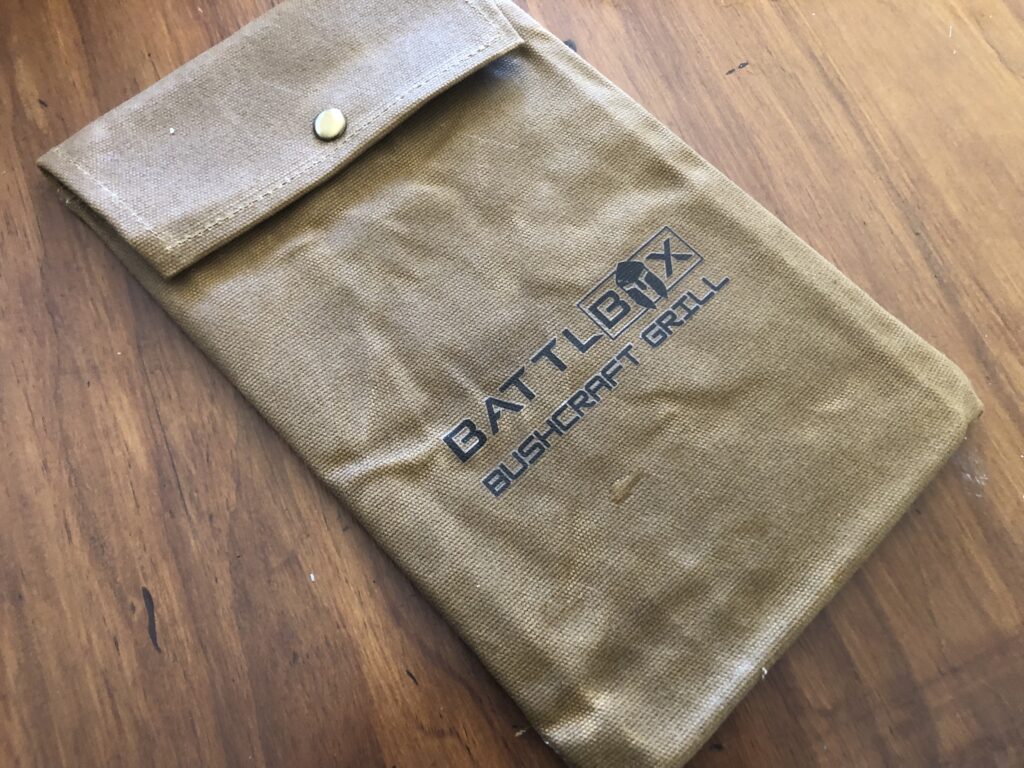
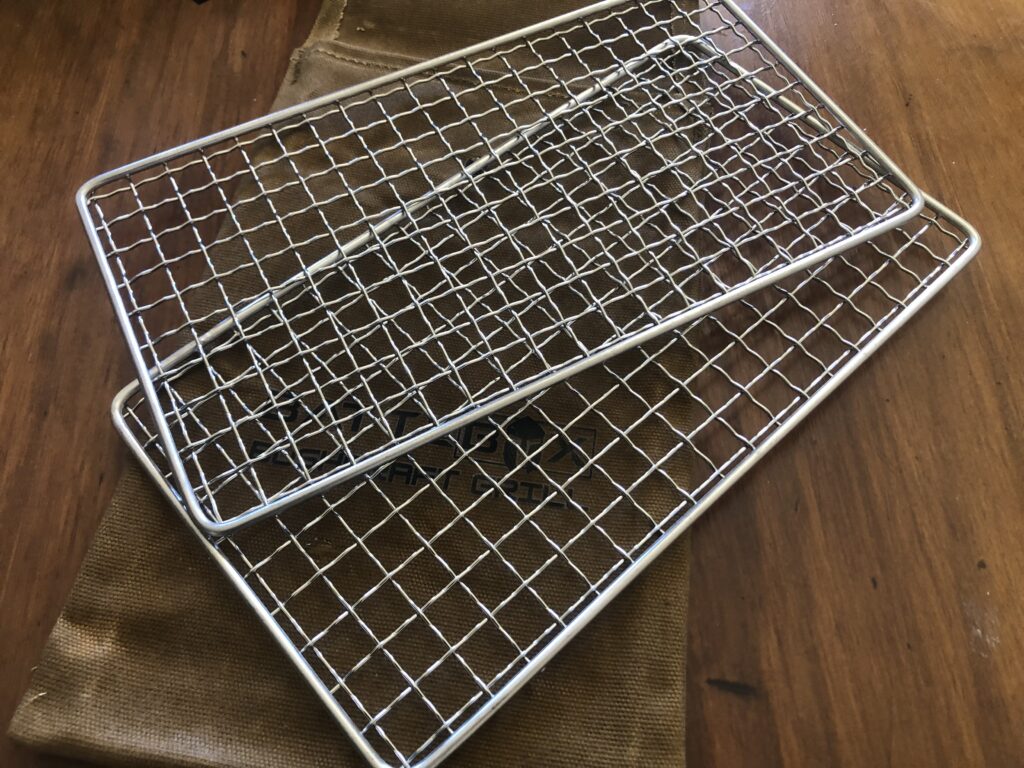
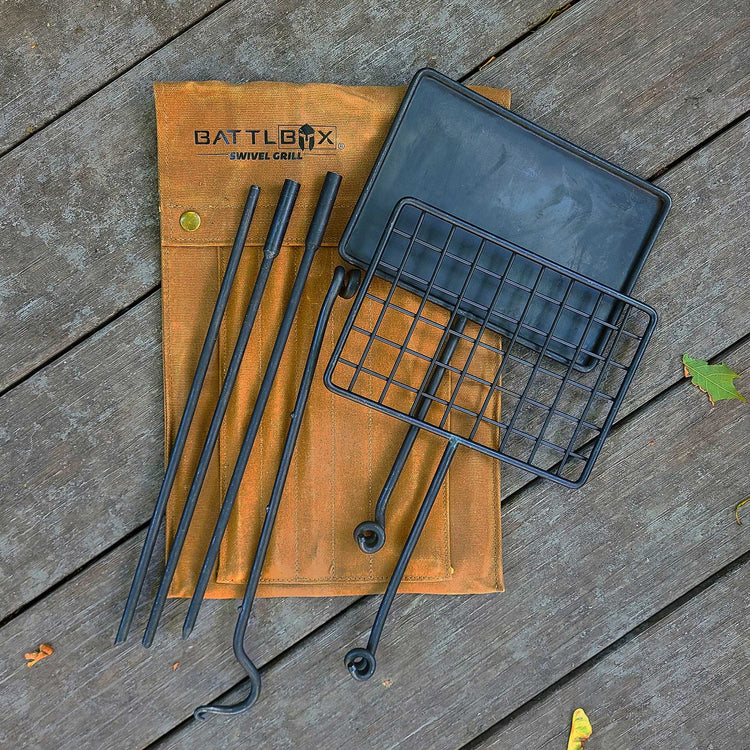
Ive been looking for a lightweight grill to add some versatility to my cooking gear. I looked at several brands but Im not a big fan of titanium unless trying to keep weight to a minimum. I ended up getting the battle box version for the canvas bag. The other brands are selling them with codura or nylon bags. Titanium is also becoming harder to get, many brands disappearing due to the tariffs.
Three water filters Im attempting to test.
The Renovo, Sawyer Micro, Sawyer mini along with the Cnoc and Hyropak bags.
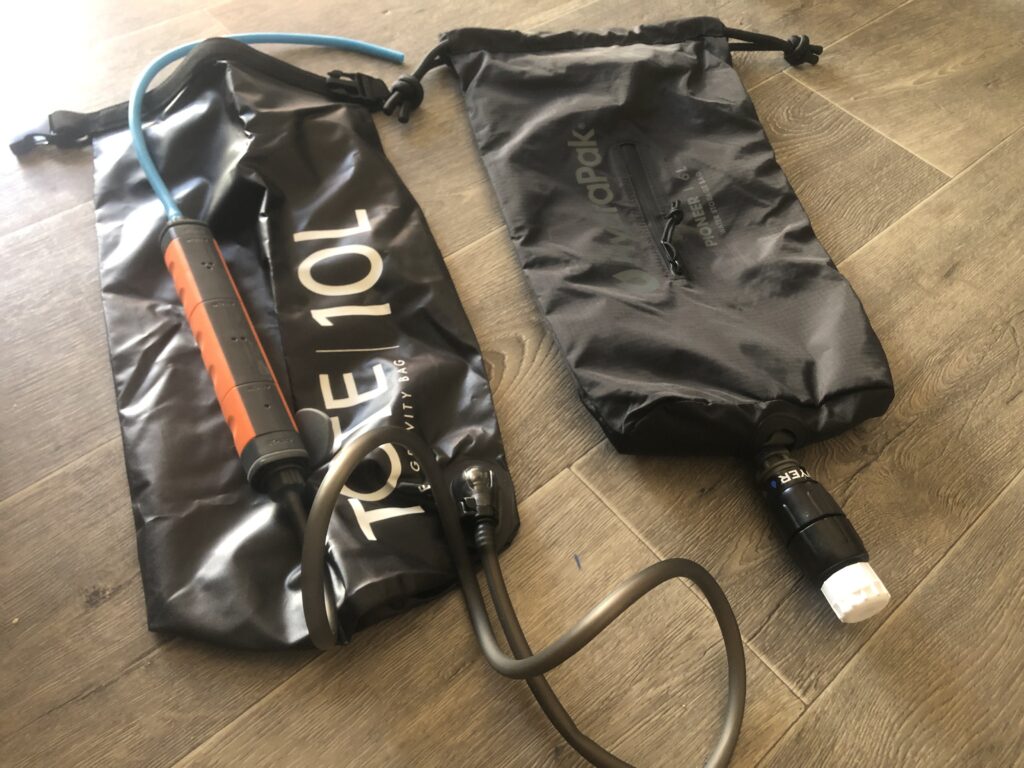
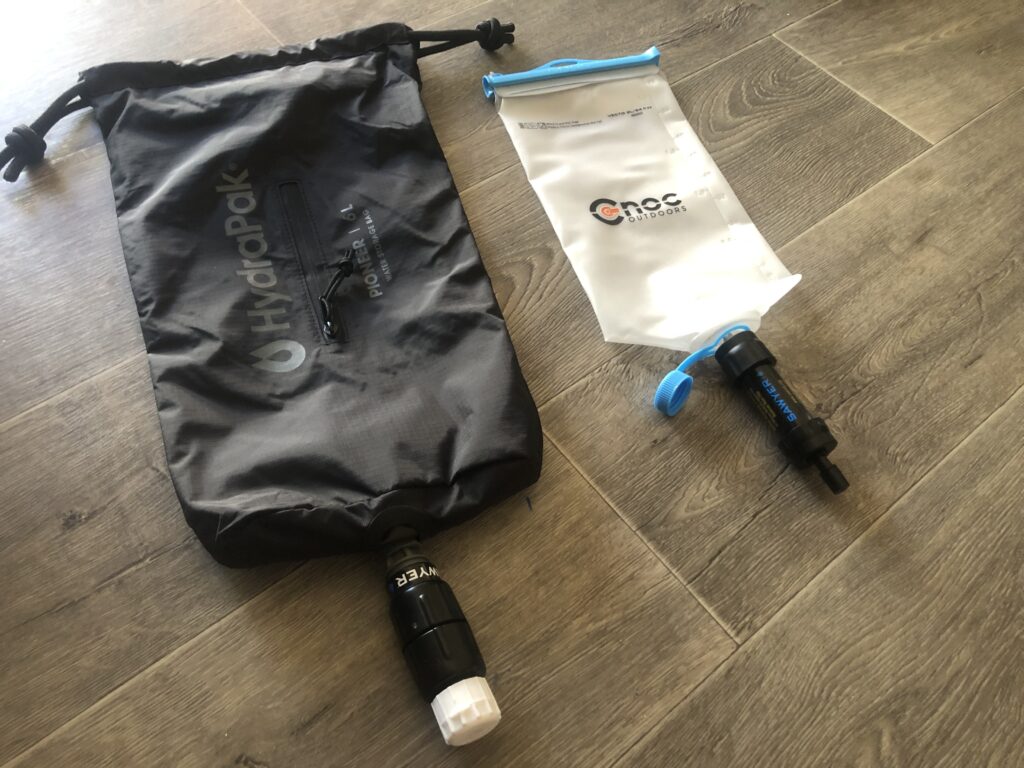
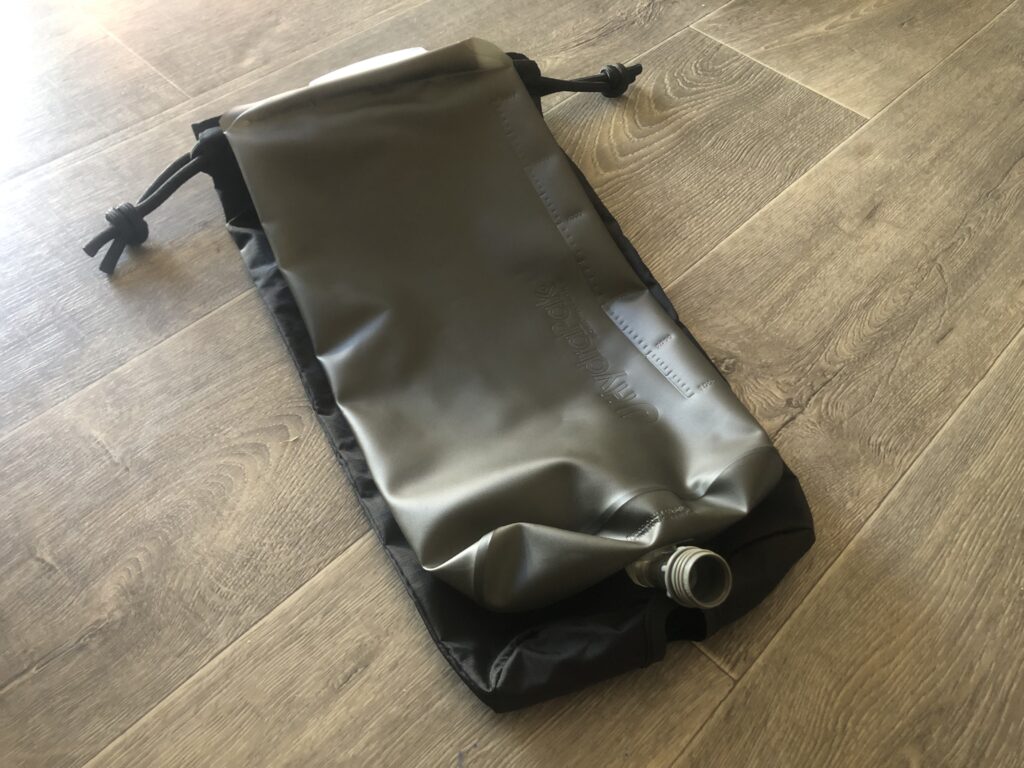
The Renovo I was told is a military grade filter, however there is only one supplier now in Australia. The Cnoc bags are great if you want to quickly squeeze liquid through a Sawyer. Folds down small. Both the Cnoc and Hydropak have large filling mouths. Unlike the original bags supplied with the Sawyers. Which I never use. Im very impressed with the Hydropak 6 litre bag. Both the inner and outer materials.
https://www.survivalsupplies.com.au/brand/sawyer

Ive spent some time going through various versions of what I like to carry in my belt pouch. I think Ive finally settled on what I like to carry for my EDC and fire Kit.
Starting with the Badger Claw Outfitters belt pouch. To this I have tied a Dragons Breath ferro rod with braided 3mm paracord and a beaver bushcraft striker. Badger Claw also does a nice version of a striker. I never use the ones supplied with ferro rods. Tungsten or tempered 01 steel works much better. I braided the paracord so it doesnt tangle.

I have a small Altoids tin for emergency tinder supplies. Including ; Baddest bee fuses, wazoo fire card, tinder wick, magnesium rod, fresnel lense for solar fire starting, this is also where I keep my sail needle so I dont loose it. Everything is secured with a Ranger band.

In the main pouch I keep; fallkvien DC4, UST Trekker butane lighter. Im not a fan of BICs, although I always keep one in my pocket. UCO matches for a backup in cold weather, Nano candle, Pinceton Tech headlamp. The one pictured is a FRED but I also like the Byte. I carry 4 feet of lawn mower pull cord. This has more traction than 550 paracord for a firebow. I have two other forms of knife sharpening which I dont always have included. A small ceramic rod and an Ezesharp diamond steel for quick touch ups. Depending on the knife grind. Ive gone away from Scandi’s.

The last two items are from Beaver Bushcraft a ferro rod striker but as mentioned badger Claw also do a nice version and a bearing block for a firebow of which Ive tied paracord to use in different methods.
Badger Claw Outfitters
Survival Supplies Australia
https://www.survivalsupplies.com.au/dragons-breath-heavy-duty-ferro-rod-and-striker-firestarter
https://www.survivalsupplies.com.au/baddest-bee-fire-fuses-3-pack
https://www.survivalsupplies.com.au/wazoo-firecard-wsgcdfr03
https://www.survivalsupplies.com.au/uberleben-tindar-wick-and-bellow-tirp
https://www.survivalsupplies.com.au/magnesium-rod-99-99
https://www.survivalsupplies.com.au/exotac-candletin-nano-4hr-3pk-002130
https://www.survivalsupplies.com.au/sail-needle-size-14
https://www.survivalsupplies.com.au/fresnel-lens
https://www.survivalsupplies.com.au/fallkniven-dc4-sharpening-ceramic-diamond-whetstone
Beaver bushcraft
https://www.beaverbushcraft.co.uk
Valalla Tactical
Camscords
Ezesharp
I was researching different ways of cooking without pots and only came across two videos of the proper way of cooking fish on a stick. Most of them butchered a perfectly good trout. By going through the head first and into the tail theres no need to place holes through the flesh.